Trezor.io/start - Trezor Hardware Wallet - 2026 | (official)
Key Highlights
Welcome to the world of secure crypto ownership! Here’s a quick look at what you’ll learn: The official website, trezor.io/start, is the only place you should begin your setup. Trezor Suite is the essential application for managing your device and assets. When comparing Trezor and Ledger hardware wallets, one of the main differences is their approach to user interfaces and software: Trezor uses Trezor Suite, while Ledger utilizes Ledger Live. Additionally, Trezor devices are open-source, whereas Ledger devices combine open and closed-source elements. Both provide strong security for crypto assets, but their design philosophies and supported features may vary slightly.
The official website, trezor.io/start, is the only place you should begin your setup.
Trezor Suite is the essential application for managing your device and assets.
Creating a wallet backup with your unique recovery seed is the most critical step.
Your private keys always stay offline on your Trezor device, ensuring maximum security.
The setup process is simple and similar for every Trezor model.
Introduction
Congratulations on getting your new Trezor wallet! You've taken a massive step toward securing your digital assets. This guide will walk you through everything you need to know, starting from the official setup page, trezor.io/start. We’ll show you how to initialize your Trezor device and use the powerful Trezor Suite application to manage your crypto safely and with full control. Let’s get you started on your self-custody journey! If your Trezor wallet screen turns black but the device is still recognized by your computer, try disconnecting and reconnecting the device, and ensure your firmware is up to date using Trezor Suite. If the issue persists, restart your computer, try a different USB cable or port, and contact Trezor Support for further assistance.
Getting Started with Trezor.io/start for Your Trezor Hardware Wallet
Your journey to making your crypto Trezor safe begins at the official website, trezor.io/start. This portal is designed to guide you through the secure initialization of your new wallet, ensuring you don't miss any critical security steps. It’s the only starting point you should trust.
From there, you'll be directed to install the firmware, create your wallet backup by writing down the recovery seed, and set up your device for the first time. Getting these initial steps right is essential for long-term security. The following sections will detail what you need and how to complete the process.
What You Need Before Setting Up
Before you dive into setting up your new Trezor hardware wallet for the first time, it’s helpful to have a few things ready. Gathering these items beforehand will make the process smooth and straightforward.
You will need the following:
Your new Trezor device (Trezor Model T, Safe 3, etc.)
The included USB cable
A computer with an internet connection
The recovery seed cards and a pen
Having these items on hand ensures you can follow the setup guide from trezor.io/start without interruption. Make sure your internet connection is stable before you begin. For iPhone users, it's important to note that the initial setup requires a desktop computer, as iOS does not support the necessary USB connection.
Step-by-Step Setup Process Using Trezor Suite
Once you’re ready, setting up your device with Trezor Suite is a guided and secure process. Following these steps ensures you gain full control of your private keys from the very beginning. Remember to only download software from the official Trezor website.
After you open Trezor Suite, the application will walk you through these key actions:
Connect your device and install the latest firmware.
Choose to create a new wallet.
Set a secure PIN to protect your device from physical access.
Create your wallet backup by carefully writing down the backup words.
Verify your backup to confirm you wrote it down correctly.
This setup process is the foundation of your wallet's security. Never take a photo of your recovery seed or store it digitally. Your offline wallet backup is the only way to recover your funds if you lose access to your device.
Understanding Trezor Suite and How It Works
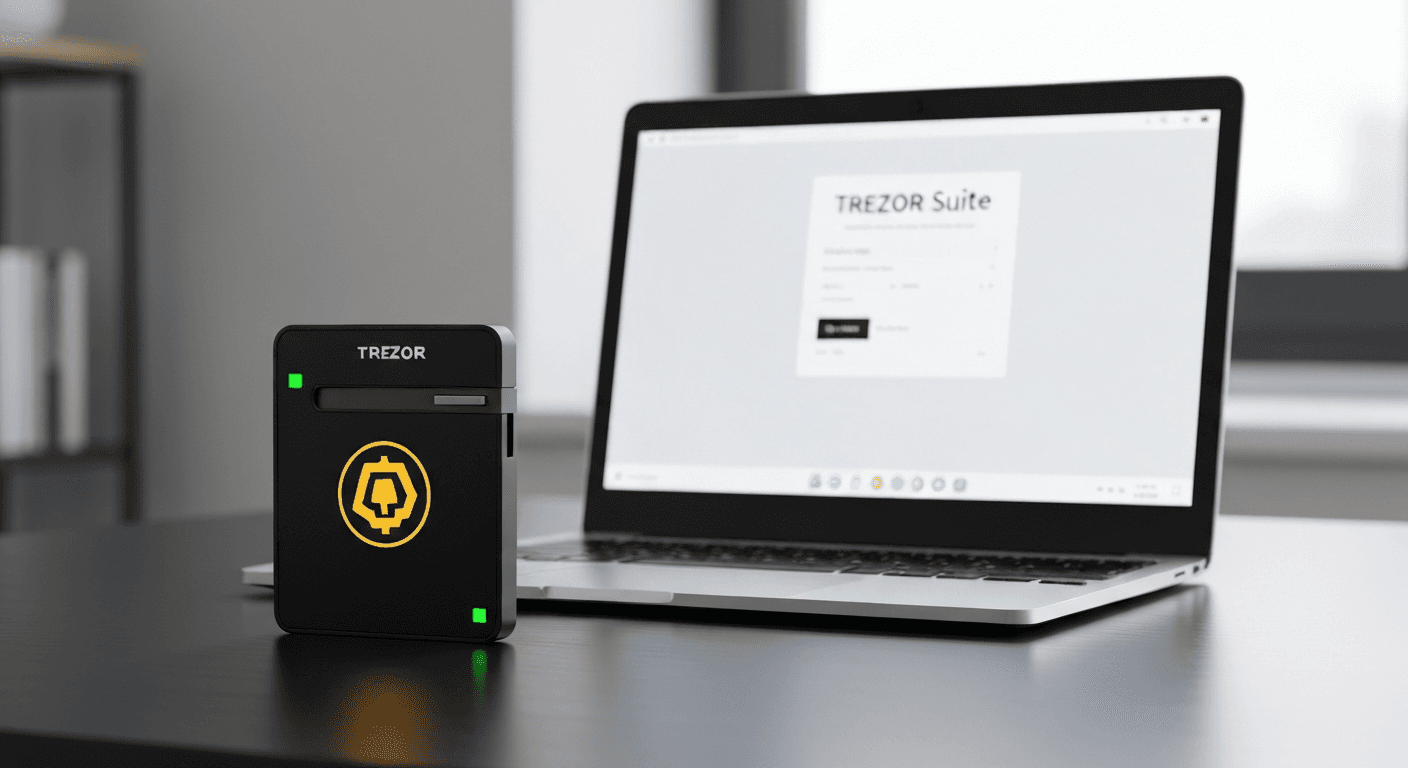
Trezor Suite is the official all-in-one interface for your hardware wallet. Think of it as a secure window into your crypto portfolio. It allows you to see your balances and make transactions without ever exposing your sensitive keys to the internet. All critical operations happen on your device, which acts as your cold storage.
Available as a Trezor Suite desktop application or a web-based version, it is the central hub for all device management. You can download the Trezor Suite app from the official website. Now, let’s explore its features and how to manage your assets securely.
Key Features and User Interface of Trezor Suite
Trezor Suite is designed with a clean and intuitive user interface, making crypto management accessible even for beginners. It works with your Trezor hardware wallet by acting as a secure bridge, allowing you to interact with your assets while your private keys remain safely offline on the device.
The platform offers full Trezor Suite functionality through several key features:
A comprehensive dashboard: View your entire portfolio at a glance.
Broad coin support: Manage a wide variety of cryptocurrencies and tokens in one place.
Secure device management: Easily update firmware and manage security settings.
Open-source transparency: The code is publicly available for security audits, building trust.
These features combine to create a powerful and secure environment. You can confidently send, receive, and hold crypto, knowing every action is verified on your hardware wallet.
Managing Assets and Transactions Securely
Securely managing your crypto is the primary reason to use a hardware wallet. When you open Trezor Suite, you have powerful tools at your fingertips to prevent unauthorized access and protect your funds. Your private keys never leave the device, which is the core of its security.
Here are the key practices for secure management:
Confirm all transactions on your device: Trezor requires you to physically approve every outgoing transaction, protecting you from malware.
Verify receiving addresses: Always double-check the address shown on your Trezor’s screen before sharing it to receive funds.
Use the recovery check feature: Periodically use this tool in Trezor Suite to confirm your wallet backup is correct without compromising security.
If you ever need transaction help, the official Trezor support portal is the best place to go. By following these simple rules, you can manage your assets with confidence.
Keeping Your Trezor Hardware Wallet Updated and Connected
To maintain the highest level of security, you must keep your Trezor wallet's firmware updated to the latest version. These updates patch potential vulnerabilities and often add new features. Device management, including firmware updates, is handled directly within Trezor Suite.
For a smooth connection, especially when using the web interface, you may need Trezor Bridge. This background application helps your browser communicate with your device. In the next sections, we'll cover how to install these updates safely and troubleshoot common connection issues.
How to Install Firmware Updates Safely
Updating the firmware on your Trezor is a straightforward but critical process. Trezor Suite will automatically notify you when the latest version is available. To update safely, it's essential to follow the right steps and be prepared.
Before you begin, make sure you do the following:
Have your backup words handy: Although updates are safe, you should always have your recovery seed available just in case.
Follow on-screen instructions: Trezor Suite provides clear, step-by-step guidance.
Never disconnect your device: Wait for the update process to complete fully before unplugging your Trezor.
After the firmware is installed, your device will perform a security check to ensure its integrity. Remember, Trezor devices intentionally lack wireless security features like Bluetooth, which hardens them against a wide range of remote attacks. Your PIN protection remains active throughout.
Troubleshooting Connection Issues with Trezor Bridge
Sometimes, you might run into issues where your computer doesn't recognize your Trezor. This can be frustrating, but the problems are usually easy to fix. Connection issues are more common when using a web browser, which is where Trezor Bridge comes in.
Trezor Bridge is a small application that helps your computer and web browser communicate with your hardware wallet. If you're having trouble with your desktop setup, here are some common problems and their solutions.
Issue
Potential Solution
Device not detected
Try a different USB port and cable. Reinstall the latest version of Trezor Bridge. Temporarily disable your VPN or antivirus.
Update process fails
Ensure you have a stable internet connection. Use the Trezor Suite desktop app instead of the web browser.
Remember, Trezor devices do not use a Bluetooth connection, so you won't need to troubleshoot any wireless pairing issues. Most problems are related to the USB connection or software interference.
Conclusion
In conclusion, setting up and managing your Trezor hardware wallet doesn’t have to be a daunting task. With the right guidance, you can easily navigate through the Trezor.io/start process and ensure your assets are secure. From understanding the key features of Trezor Suite to keeping your device updated, each step plays a crucial role in maximizing your security and user experience. Remember, staying informed and proactive in managing your wallet will empower you to make the most of your cryptocurrency journey. If you're ready to take the next step, visit Trezor.io/start today for a seamless setup and enhanced security for your digital assets!
Frequently Asked Questions
Why Does My Trezor Wallet Show Zero Balance or Missing Funds?
A zero balance in your Trezor wallet can be alarming but is often due to a simple issue. It could mean you've entered a different passphrase or restored the wrong recovery seed. Check your account settings in Trezor Suite for any hidden wallets. For extra guidance on missing funds, use a block explorer to verify your address balance on-chain.
Is the Trezor Model One Still Safe in 2026 Compared to Other Wallets?
Absolutely. The Trezor Model One remains a highly secure choice. While newer models like the Model T offer different features, the core security of this Trezor model is proven and continuously supported with updates. Thanks to ongoing security audits and the device security check feature, it remains a fantastic and best choice for securing your assets.
How Can I Contact Official Trezor Support for Transaction Help?
For transaction help with your Trezor wallet, you should visit the official website and navigate to the support section to submit a ticket. While a Trezor Expert can assist with setup, the official support portal is the correct channel for technical issues. Never share your recovery seed or PIN with anyone claiming to be support.
How do I set up my new Trezor hardware wallet for the first time?
To set up your Trezor hardware wallet, connect it to your computer and go to trezor.io/start. Download and open Trezor Suite, which will guide you to install firmware, create a wallet, and establish PIN protection. The most crucial step is writing down and verifying your 12- or 24-word recovery seed.
What should I do if my Trezor wallet shows a zero balance or missing funds in Trezor Suite?
If you see missing funds in Trezor Suite, first ensure you haven't enabled a passphrase you've forgotten. Use the recovery check feature with your backup words to confirm you are using the correct recovery seed. Sometimes, simply clearing the cache in Trezor Suite or re-syncing accounts can also resolve the issue.
How do I update the firmware on my Trezor hardware wallet safely?
To safely update the firmware on your Trezor hardware wallet, ensure you have your recovery seed (backup words) stored securely offline first. Trezor Suite will prompt you when the latest version is available. Follow the on-screen instructions and do not disconnect your device until the update is 100% complete.
What is Trezor Suite and how does it work with my Trezor hardware wallet?
Trezor Suite is the official application from the official website for managing your hardware wallet. It provides a user-friendly interface for device management and transactions. Using the Trezor host protocol, it communicates with your device, but all private keys and signing operations remain securely offline on your hardware wallet.
How can I resolve connection issues between Trezor hardware wallet and my computer?
To fix connection problems with your Trezor hardware wallet, first try a different USB cable or port. For desktop setup, make sure Trezor Suite is updated. If you use a web browser, installing Trezor Bridge often helps. Also, ensure you have a stable internet connection and no VPNs interfering.
How can I contact Trezor hardware wallet support for help with transactions?
For transaction help on your Trezor hardware wallet, visit the official website's support center and create a ticket. This is the official channel for technical issues. While a Trezor Expert can help with setup, direct support is handled via the portal. Never share your wallet backup with anyone.
How do I contact Trezor.io start wallet support?
The trezor.io/start page is for setup guidance, not direct support. For any issues with your Trezor wallet, you must go to the official website and find their help center. This is the only legitimate place to get support. Remember to keep your wallet backup private during any support interaction.
Does Trezor report to the IRS?
No. Trezor does not and cannot report to the IRS. With a Trezor wallet, you have full control of your private keys. The company has no access to your balances or transaction history, offering unmatched transparency and privacy. The Trezor device operates under terms of use that respect your sovereignty.
Where can I download Trezor Bridge from?
You can download the latest version of Trezor Bridge from the official website, trezor.io. It is usually located in the "Suite" or "Apps" section of the site. To ensure security, only download this software from the official source, especially when performing your initial desktop setup.
Is Trezor Bridge a browser plug-in?
No, Trezor Bridge is not a browser plug-in or extension. It's a standalone application that you install on your computer for your desktop setup. It runs in the background to help your web browser communicate with your Trezor device, enabling full Trezor Suite functionality for device management online.
How do I fix common issues with Trezor Bridge?
To resolve common Trezor Bridge issues, first ensure you have the latest version from the official website. If the connection still fails, try restarting your computer, using a different web browser, or briefly disabling your firewall or VPN, as they can sometimes block the connection.
How often should I update my Trezor firmware?
You should update your Trezor firmware as soon as Trezor Suite notifies you that the latest version is available. These updates are crucial for security, often containing patches from recent security audits, and improve device management. Always have your wallet backup accessible before starting an update.
Prerequisites and What You’ll Need Before Starting with Trezor.io/start
Before you begin the setup process on Trezor.io/start, it’s important to ensure you have all the necessary items ready to aid in a smooth initialization of your Trezor hardware wallet. Here’s what you’ll need to gather before diving in:
Your Trezor device (Model T, Model One, or other variants).
The USB cable that comes with your Trezor for connecting it to your computer.
A reliable computer that has an active internet connection to access Trezor Suite.
A set of recovery seed cards and a pen for securely writing down your recovery seed.
Having these items prepared will streamline your setup experience, allowing you to follow the guidance provided at Trezor.io/start effectively. It’s crucial to ensure your internet connection is stable throughout this process, as this will help avoid any interruptions or complications during the installation and configuration phases. With everything aligned, you can confidently proceed to establish a secure gateway for managing your crypto assets.
Step-by-Step Detailed Setup and Backup Process (Including Writing Down Recovery Words, Setting a PIN, and Activating Assets)
The Step-by-Step Detailed Setup and Backup Process is vital to your Trezor hardware wallet experience. Once you've visited trezor.io/start and prepared your device, you'll navigate through essential steps to ensure a secure setup. First, after connecting your Trezor to your computer and launching Trezor Suite, you will be prompted to create a new wallet. At this point, setting a secure PIN is crucial; this protects your device from unauthorized physical access. Next, the most critical task involves generating your unique recovery seed—a series of 12 or 24 words that will serve as your ether to restore your wallet if needed. Write these words down meticulously on the recovery seed cards provided, ensuring you verify each word as you go. Never store this information digitally or take a photo; keep it entirely offline for maximum security. Once the writing is completed, you will be asked to confirm the backup by entering a few words from the seed. This verification step solidifies your backup, giving you peace of mind that you're protected against potential loss. With the PIN set and your recovery seed securely documented, you’re now ready to activate and manage your assets confidently within Trezor Suite.
Security Best Practices and Tips for Trezor Wallet
When it comes to securing your Trezor wallet, implementing best practices is essential to safeguard your digital assets. Start by ensuring that your recovery seed is stored securely offline, preferably in a fireproof and waterproof location. Avoid sharing this critical information with anyone, as it is your only way to recover your wallet if lost or damaged. Additionally, setting a strong, unique PIN for your device adds an extra layer of security. Make sure not to use easily guessable numbers, especially those that could relate to personal information. Regularly updating your Trezor firmware is crucial; Trezor Suite will notify you of any available updates, which often include important security patches. Lastly, be vigilant about phishing attacks—always verify URLs before entering sensitive information and use the official Trezor channels for support. By following these guidelines, you'll enhance the security of your Trezor wallet and protect your investments effectively.
Security Best Practices and Tips for Trezor Wallet
When it comes to safeguarding your Trezor wallet, adhering to robust security best practices is paramount in protecting your digital assets from potential threats. Start by ensuring that your recovery seed, which is vital for restoring access to your wallet, is securely stored in a location that is both fireproof and waterproof. Avoid sharing your recovery seed with anyone, as this information is the key to recovery should you misplace your device. Alongside secure storage, create a strong and unique PIN for your Trezor; refrain from using easily guessable combinations that may relate to personal information, as these can significantly diminish your wallet’s security. Regularly updating your Trezor firmware is crucial; the Trezor Suite app conveniently notifies you when new updates are available, and these often contain essential security patches to protect against evolving threats. Additionally, be wary of phishing scams—always double-check URLs before entering sensitive information and utilize only the official Trezor channels for any support inquiries. By diligently following these security measures, you enhance the protection of your Trezor wallet, enabling a safe and secure management of your cryptocurrency assets.
Troubleshooting Common Setup and Connectivity Issues
When setting up your Trezor hardware wallet, it's not uncommon to encounter some challenges related to connectivity or the initial setup process. Addressing these common issues promptly can help ensure a smoother experience with your device. If your Trezor is not detected by your computer, first try using a different USB port or switching to a different cable to rule out hardware issues. Make sure you have the Trezor Bridge installed if you're using a browser; this application facilitates communication between your computer and Trezor device. Additionally, check if your antivirus or VPN settings are causing interference, as these security measures can sometimes block necessary connections. If you are facing issues during the firmware update, ensure that your internet connection is stable, and try using the desktop version of Trezor Suite rather than the web interface for a more reliable experience. Lastly, if you accidentally initiate the wrong wallet recovery, you might not see your expected balance; ensure you have entered the correct recovery seed associated with your device. By following these troubleshooting tips, you can effectively resolve connectivity issues and enjoy a seamless setup process.
Alternative Setup Options (Browser Extension & Mobile Setup)
If you prefer flexibility in managing your Trezor hardware wallet, alternative setup options through a browser extension or mobile application can be a great fit. The Trezor Bridge application allows you to connect your device directly to your web browser, providing an easy and seamless interface for transactions without compromising security. For those who are always on the move, Trezor also offers a mobile setup option, equipping you with the Trezor Suite mobile app available for Android. However, it's important to note that mobile setups require extra precautions, as mobile devices can be more susceptible to security threats. When using these alternative options, ensure you always download the latest versions directly from the official Trezor website to safeguard against phishing attempts. Whether you're at home or on the go, these alternative setups offer versatility while maintaining the robust security features that Trezor is known for.
Customer Support and Contact Information
When it comes to seeking assistance or resolving any issues related to your Trezor hardware wallet, the customer support team is readily available to help. You can reach out to Trezor's official support portal by visiting the website, where you’ll find a variety of resources to guide you. From comprehensive FAQs to detailed troubleshooting guides, the support page is designed to provide answers to common queries. Additionally, if you need further assistance, you can submit a ticket for personalized support. It’s important to remember that Trezor will never ask you for your recovery seed or PIN through email or any communication channels, so always be cautious of potential phishing attempts. For a more direct experience, Trezor offers a contact option for urgent cases, ensuring that your concerns are addressed in a timely manner. By utilizing these customer support channels, you can navigate any issues confidently and keep your digital assets secure.
Frequently Asked Questions (FAQs) About Trezor Setup and Use
In this section, we address some of the most common questions about setting up and using your Trezor hardware wallet, providing you with quick answers for a smoother experience. Many users often wonder, "What is the first step in setting up my Trezor wallet?" The answer is simple: always start by visiting the official site at trezor.io/start, where you will receive step-by-step guidance. Another frequent query pertains to wallet recovery; users may ask, "How can I retrieve my cryptocurrency if I lose my Trezor?" It's crucial to keep your recovery seed words secure yet accessible, as these will allow you to restore your wallet on a new device if necessary. Similarly, concerns about security arise, leading to questions such as, "Is it safe to connect my Trezor to a public computer?" Ideally, avoid doing so; always use a secure and trusted device. With these FAQs, we hope to alleviate any uncertainties you may have and empower you to navigate your Trezor journey with confidence.
Next Steps After Setup and Ongoing Wallet Management
Now that you've successfully set up your Trezor hardware wallet and familiarized yourself with Trezor Suite, it's essential to focus on the next steps to ensure ongoing management of your digital assets. First and foremost, regularly review your investment portfolio within Trezor Suite to stay updated on market fluctuations. Consider setting specific times to check your balances and transactions, helping you maintain awareness of your assets. Additionally, practice updating your wallet firmware as soon as new updates become available, as these often contain essential security patches and improved features. Moreover, take advantage of the recovery check feature in Trezor Suite periodically; this allows you to verify that your backup recovery seed is correctly documented and easily retrievable in case of emergencies. Don’t forget to also conduct routine transaction confirmations, where each outgoing transaction gets physically verified on your Trezor device, adding a solid layer of security against unauthorized attempts. Lastly, always remain vigilant against potential phishing scams, and remember to utilize the official Trezor support resources for any help or guidance you may need. By following these next steps and ongoing management practices, you can maintain a secure and efficient approach to managing your cryptocurrency assets with your Trezor wallet.
Troubleshooting Trezor Bridge: Common & Rare Issues
When using Trezor Bridge, users might encounter a few common issues that can hinder their experience. Firstly, a frequent problem is the inability to connect the device due to outdated software or browser incompatibility. Ensuring that both your Trezor firmware and the Bridge application are up-to-date can often resolve this. Additionally, clearing your browser's cache or trying a different browser might improve connectivity. For those facing rare issues, such as strange error messages or lag during transactions, it’s advisable to check the Trezor support page for advanced troubleshooting steps. Furthermore, always ensure your internet connection is stable, as a weak connection can lead to frustrating interruptions. If problems persist despite these efforts, contacting Trezor’s customer support may be necessary for personalized assistance.